5 Signs Your Generator May Fail During an Outage
There’s a moment in every power outage when everything slows. Lights flicker. Systems hesitate. People look around. And then, within seconds, one of two things happens: Either the generator kicks in—and everything continues as planned. Or it doesn’t.
At PowerChampions of Greenville, we’ve been on both sides of that moment. We’ve seen facilities where backup power worked exactly as designed. And we’ve seen facilities where it didn’t, and the consequences were immediate.
What's important to understand is this:
Generator failures are rarely sudden. They almost always leave clues. The problem is that those clues are often missed or misunderstood until it’s too late. In a growing market like Greenville, where grid demand is rising, and outages are becoming less predictable, recognizing those warning signs isn’t just helpful—it’s essential.
1. The Generator That “Hasn’t Been Used”
One of the most common things we hear from facility managers is: “We haven’t had to use it much, so it should be fine.” It sounds logical. But in reality, inactivity is one of the biggest risks to generator reliability. Generators are mechanical systems. They need to run, cycle, and operate under load to stay healthy. When they sit idle for long periods, small issues begin to develop—quietly.
We once worked with a commercial property in the Upstate that had a generator in place for years. It had been tested occasionally, started without issue, and gave everyone confidence. Until the day it was needed. During a regional outage, the generator started—but couldn’t sustain the load. The system shut down within minutes. What went wrong?
It had never been tested under real operating conditions.
What proper testing should include:
- Regular exercise (monthly at a minimum)
- Load testing to simulate real demand
- Transfer testing with the ATS
A generator that only “starts” isn’t proven—it’s unverified.
2. The Small Component That Brings Everything Down
In another case, a facility lost power during a peak operating window. The generator didn’t even attempt to start. The issue wasn’t complex. It wasn’t a major mechanical failure. It was the battery. Generator batteries are one of the simplest and most overlooked components in the entire system. They sit quietly, rarely used, and slowly degrade over time. And when they fail, nothing else matters.
We’ve seen situations where:
- Batteries were past their service life
- Corrosion had built up on terminals
- Charging systems weren’t functioning properly
All of it preventable.
Early warning signs of battery issues:
- Sluggish or delayed startup
- Visible corrosion
- Low voltage readings during inspection
A generator system can be perfectly maintained, but if the battery fails, the system never starts.
3. The Fuel That Looks Fine—But Isn’t
Fuel is another area where assumptions create risk. Most facilities feel confident when they see a full tank. It gives a sense of readiness. But stored fuel, especially diesel, changes over time. It absorbs moisture. It degrades. It becomes contaminated. We worked with a facility that had done everything right on paper. Maintenance logs were in place. The generator had been exercised. The tank was full.
But during an outage, performance dropped quickly. The cause wasn’t mechanical—it was fuel quality. Water and microbial growth had built up inside the tank, restricting flow and reducing combustion efficiency.
Fuel-related risks often include:
- Water contamination
- Sediment buildup
- Microbial growth (commonly referred to as algae)
Fuel management is not passive. It requires testing, treatment, and periodic maintenance.
4. The System That No One Thinks About
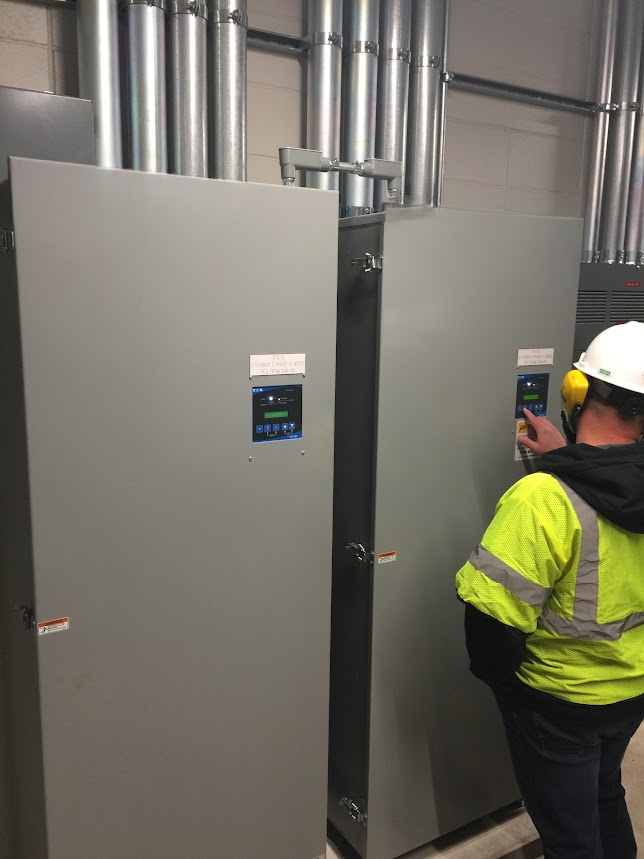
Ask most facility teams about their generator, and they can tell you where it is, what size it is, and when it was last serviced. Ask about the Automatic Transfer Switch (ATS)—and the answers are often less clear. And yet, the ATS is the component that determines whether power actually transfers during an outage. We saw this play out in a hospitality setting where everything seemed ready. The generator was maintained. The fuel was clean. The system had been exercised. But when power was lost, nothing happened.
The ATS failed to transfer. The generator was ready, but it was never brought online.
Common ATS issues include:
- Mechanical wear over time
- Electrical contact degradation
- Lack of regular testing
Unlike generators, ATS systems don’t “run” visibly. They sit quietly until needed, and if they aren’t tested, they remain a hidden risk.
5. The Pattern Behind Nearly Every Failure
When we look back at generator failures, there’s usually a pattern. It’s rarely just one issue.
It’s a combination of small things:
- A missed inspection
- An aging battery
- Untested fuel
- An overlooked ATS
And at the center of it all is one consistent factor: A lack of structured preventive maintenance.
Preventive maintenance isn’t just about checking boxes. It’s about understanding how systems behave over time—and catching issues before they escalate. Facilities that invest in maintenance don’t eliminate risk—but they dramatically reduce it. Facilities that don’t often end up reacting instead of preparing.
Why This Matters in Greenville Right Now
Greenville is not the same market it was five years ago.
With continued growth in:
- Healthcare systems
- Manufacturing operations
- Commercial development
…the demand on the electrical grid is increasing. At the same time, weather patterns are becoming less predictable, leading to more frequent disruptions. Backup power is no longer a secondary system. It’s a core part of operational strategy. And the margin for error is shrinking. There’s a difference between believing your system will work and knowing it will.
Confidence comes from:
- Regular testing
- Verified performance
- Clear documentation
- Experienced oversight
Assumption comes from:
- Infrequent use
- Incomplete testing
- Outdated maintenance
And during an outage, that difference becomes very real.
Don’t Wait for the Moment That Tests Everything
Most facilities don’t think about their generator when everything is working. But when the power goes out, it becomes the most important system in the building.
At PowerChampions of Greenville, we work with facility leaders to move from assumption to confidence, through proper testing, proactive maintenance, and a clear understanding of how their systems perform. If you’re unsure about your generator, your ATS, or your overall readiness, that uncertainty is worth addressing now—not during the next outage.
-1.png)
.png)
.png)
.png)