How Generator Maintenance Prevents Backup Power Failures
When utility power fails, businesses rely on their backup power systems to perform immediately and reliably.
Unfortunately, many backup power failures occur at the exact moment a facility needs the system most.
The good news is that generator failures are rarely sudden. Most failures develop over time through worn components, fuel quality issues, battery degradation, cooling system problems, or overlooked maintenance items. These issues often provide warning signs long before they impact performance.
The key to reducing outage risk is a proactive maintenance strategy focused on inspections, testing, fuel quality management, documentation, and long-term system reliability.
At PowerChampions Greenville, we help businesses throughout Greenville and the Upstate maintain critical power systems through proactive service designed to identify and address potential issues before they become major failures.
How Does Generator Maintenance Prevent Backup Power Failures?
Generator maintenance prevents backup power failures by identifying and correcting issues before they impact system performance. Through routine inspections, testing, fuel management, battery monitoring, cooling system maintenance, and documentation, facility managers can significantly improve system reliability and reduce the likelihood of unexpected failures during an outage.
Rather than reacting to problems after they occur, maintenance programs focus on keeping systems prepared long before utility power is lost.
Understanding Backup Power System Reliability
One of the most common misconceptions about emergency power is that reliability depends entirely on the generator itself.
In reality, backup power reliability depends on the entire Emergency Power Supply System (EPSS), which includes:
- Generator
- Automatic Transfer Switch (ATS)
- Fuel system
- Batteries and chargers
- Electrical distribution equipment
- Control systems
- Monitoring equipment
- Cooling systems
If any one of these components fails, the entire system can be compromised. This is why comprehensive maintenance programs focus on the complete system rather than a single piece of equipment.
The Most Common Generator Failure Points
Understanding where failures occur helps explain why maintenance is so important.
Battery Failures
One of the leading causes of generator failure is battery-related problems.
Generator batteries spend most of their life waiting for an outage. During that time, they are exposed to temperature fluctuations, aging, charging system issues, and environmental conditions that can reduce performance.
Common battery problems include:
- Low voltage
- Corroded terminals
- Loose connections
- Charging system failures
- Aging batteries
If the battery cannot deliver sufficient starting power, the generator may fail to start entirely.
Routine battery inspections and testing help identify these issues before they impact reliability.
Fuel Quality Issues
Fuel quality is another major contributor to backup power failures.
Many standby generators operate infrequently, allowing diesel fuel to sit for extended periods. Over time, fuel can degrade, collect moisture, and develop contamination.
Common fuel-related issues include:
- Water intrusion
- Microbial growth
- Fuel degradation
- Sediment accumulation
- Clogged filters
Poor fuel quality can affect engine performance, reduce efficiency, and prevent generators from operating properly during an outage. Proactive fuel management and fuel polishing services help ensure fuel remains clean and ready for use.
Cooling System Problems
Generator engines generate significant heat while operating. Cooling systems play a critical role in maintaining safe operating temperatures.
Cooling system issues often include:
- Low coolant levels
- Leaking hoses
- Damaged radiators
- Restricted airflow
- Faulty cooling fans
These problems may not become apparent until a generator is required to run for an extended period under load.
Regular inspections help identify cooling system issues before they lead to overheating and shutdowns.
Electrical Connection Failures
Electrical connections throughout a backup power system are exposed to vibration, thermal cycling, and environmental conditions.
Over time, facilities may experience:
- Loose terminals
- Corrosion
- Heat damage
- Deteriorated conductors
Even minor electrical issues can create significant reliability concerns during emergency operation. Routine inspections help identify and correct these issues before they impact performance.
ATS and Control System Issues
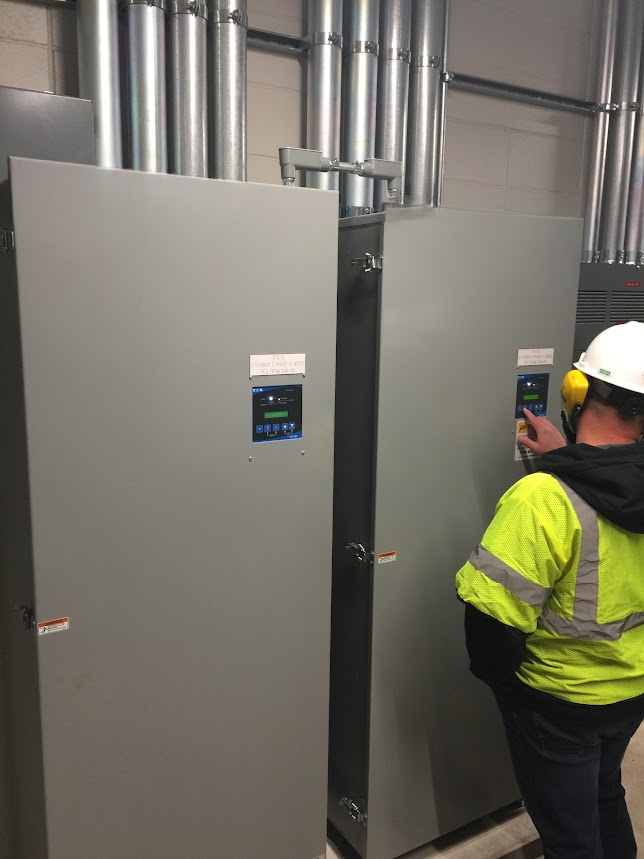
Many facility managers focus heavily on generator maintenance while overlooking the Automatic Transfer Switch. The ATS is responsible for detecting utility power loss and transferring facility loads to emergency power.
If the ATS fails:
- The generator may start but never transfer power
- Critical systems remain offline
- Operational continuity is disrupted
Control systems, sensors, and monitoring equipment also play important roles in overall system performance. Because the generator and ATS work together as part of the EPSS, both must be routinely inspected and tested.
How Proactive Maintenance Reduces Failure Risk
A proactive maintenance strategy focuses on identifying problems before they become emergencies. Instead of waiting for equipment to fail, technicians routinely evaluate system condition and performance.
Benefits of proactive maintenance include:
- Improved system reliability
- Reduced outage risk
- Lower repair costs
- Extended equipment life
- Improved operational readiness
- Better regulatory compliance
The goal is simple: identify issues while they are still small and manageable.
Routine Inspections
Routine inspections provide an opportunity to evaluate the condition of critical components throughout the system.
Inspections often include:
- Battery checks
- Fuel system inspections
- Fluid level verification
- Electrical connection inspections
- Cooling system evaluations
- Control panel reviews
These inspections frequently uncover issues that would otherwise remain hidden until an outage occurs.
Performance Testing
Testing is one of the most important components of generator maintenance.
A system that starts successfully is not necessarily a system that will perform under real operating conditions.
Testing verifies that:
- Generators start properly
- Transfer switches operate correctly
- Controls communicate effectively
- Systems perform as expected
Without testing, facilities may develop a false sense of confidence in equipment that has not been fully evaluated.
Why Load Bank Testing Matters
One of the most effective ways to evaluate generator performance is through load bank testing. Load bank testing places a generator under controlled electrical demand to simulate real-world operating conditions.
Benefits of load bank testing include:
- Identifying performance issues
- Evaluating cooling system operation
- Verifying voltage stability
- Confirming fuel system performance
- Reducing wet stacking concerns
Generators that only perform routine no-load exercise cycles may develop issues that are difficult to detect without proper load testing. For many facilities, load bank testing plays a critical role in validating system readiness.
The Importance of Documentation
Maintenance does not end when the inspection is complete. Proper documentation provides valuable insight into system history, performance trends, and maintenance activities.
Documentation helps facilities:
- Track recurring issues
- Monitor equipment condition
- Verify maintenance compliance
- Support audits and inspections
- Improve future planning
Without accurate records, facility managers may struggle to identify developing issues or verify maintenance history. Good documentation creates better decisions and stronger reliability programs.
Greenville-Specific Considerations
Businesses throughout Greenville and the Upstate face unique challenges when it comes to emergency power reliability.
The region continues to experience:
- Rapid commercial growth
- Expanding healthcare infrastructure
- Increased manufacturing activity
- Growing electrical demand
- Severe weather events
As power demands increase, so does the importance of maintaining reliable backup power systems. Facilities cannot afford to assume their systems will work simply because a generator is present.
Regular maintenance, testing, and inspections help ensure systems remain prepared for the unexpected.
Why Businesses Choose PowerChampions Greenville
At PowerChampions Greenville, we believe reliable backup power starts with preparation.
Our team supports businesses throughout Greenville and the Upstate through:
- Generator maintenance
- ATS testing
- Load bank testing
- Fuel system services
- Emergency service support
- System inspections
- Long-term reliability planning
Our focus is on helping businesses reduce risk through proactive service designed to identify issues before they impact operations.
Because when utility power fails, preparation matters.
Frequently Asked Questions
How often should a commercial generator be serviced?
Service intervals vary based on equipment type, operating conditions, and manufacturer recommendations. Most commercial systems benefit from monthly inspections and scheduled annual maintenance.
What is the most common cause of generator failure?
Battery issues are among the most common causes of generator failure, followed by fuel quality problems and inadequate maintenance.
Why is load bank testing important?
Load bank testing helps verify generator performance under simulated operating conditions and can identify issues that routine startup testing may not reveal.
How can facilities reduce backup power failure risk?
The most effective approach is a proactive maintenance program that includes inspections, testing, fuel quality management, documentation, and ongoing system evaluation.
Why should businesses work with a generator service provider?
Experienced service providers help facilities identify risks early, maintain compliance, improve reliability, and ensure systems are prepared when outages occur.
Can fuel go bad in a standby generator?
Yes. Diesel fuel can degrade over time and become contaminated by moisture or microbial growth, affecting generator performance and reliability.
.png)
-1.png)
.png)
.png)