Warning Signs Your Backup Power System May Fail
Commercial backup power systems rarely fail without warning.
In many cases, the signs are already there: a weak battery, recurring alarm, slow transfer, fuel issue, rising temperature, or maintenance item that keeps getting deferred. The problem is that these warning signs often seem minor until a utility outage forces the entire system to perform under real conditions.
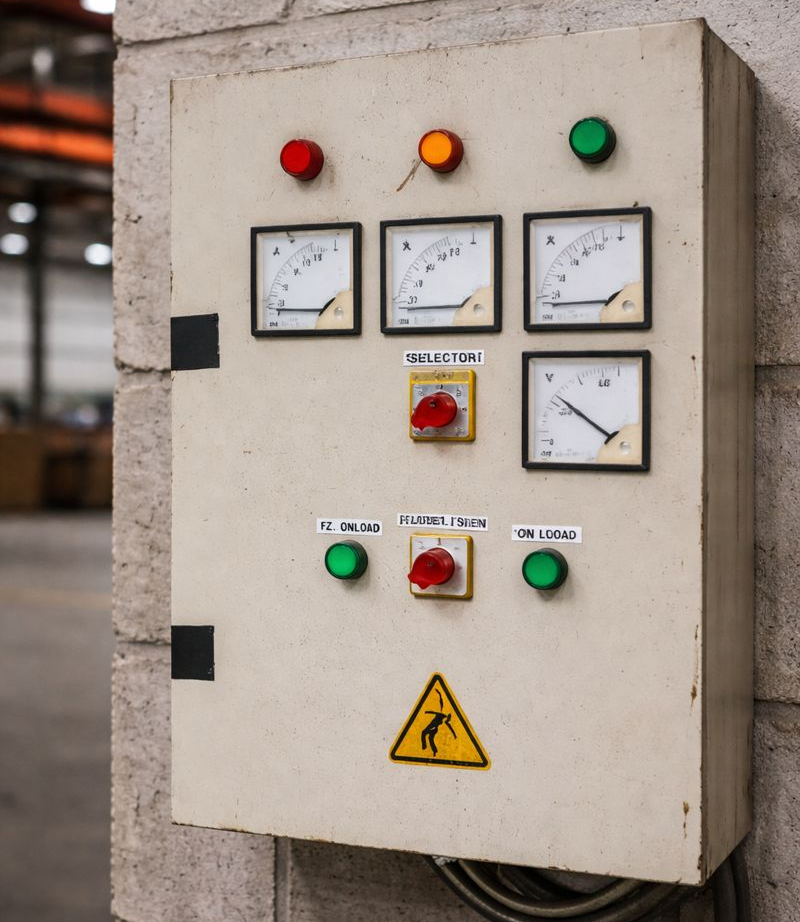
For commercial and industrial facilities across Greenville and the Upstate, those risks can be especially important where production schedules, distribution operations, and other critical processes depend on reliable power.
For facility managers, maintenance leaders, and operations teams, recognizing those risks early can make the difference between a controlled repair and an unexpected loss of backup power. Here are 10 warning signs that your commercial backup power system may be at risk.
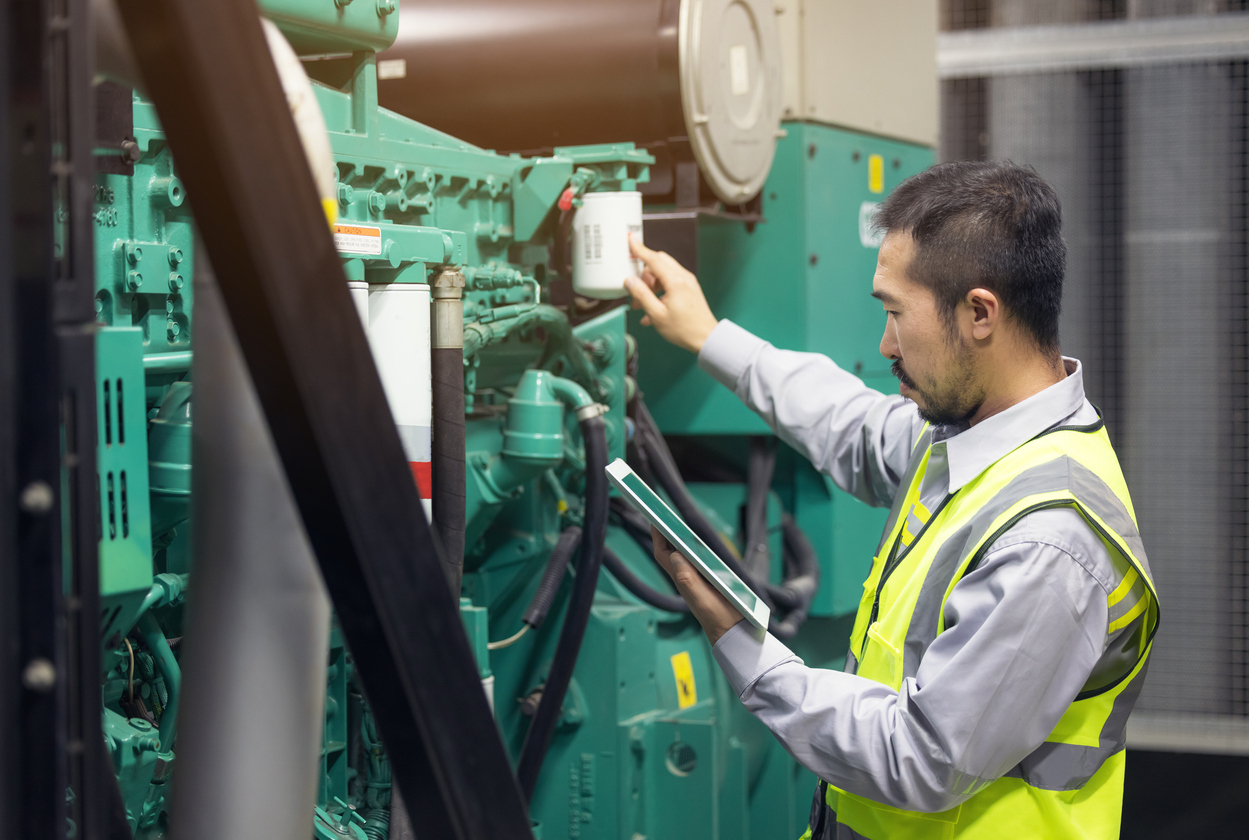
1. The Generator Starts, but It Has Not Been Tested Under Load
A successful startup does not prove that a generator can support the electrical demand your facility expects it to carry.
Weekly exercise cycles are useful, but they may not reveal:
- Cooling problems
- Fuel delivery restrictions
- Voltage instability
- Frequency issues
- Breaker problems
- Insufficient capacity
- Load sequencing issues
A generator that runs smoothly with little or no load may still struggle when HVAC equipment, pumps, motors, refrigeration, or other critical systems come online. If the generator has not been tested under meaningful load recently, facility leaders may have an incomplete picture of its actual condition.
2. Starting Batteries Are Aging or Testing Weak
The starting battery is one of the simplest components in the system, but it is also one of the most common points of failure. A generator can be mechanically healthy and fully fueled, but none of that matters if the engine cannot crank.
Warning signs include:
- Slow cranking
- Low battery voltage
- Corroded terminals
- Charger alarms
- Repeated battery replacements
- Batteries approaching the end of their expected service life
A visual inspection alone is not enough. Proper battery testing helps determine whether the battery can actually deliver the current required to start the engine.
3. Generator Alarms Keep Returning
A cleared alarm does not always mean the problem is gone. Modern generator controllers often store a history of warnings and shutdown conditions. Repeated alarms can reveal patterns that may not be obvious during a single service visit.
Examples include:
- High coolant temperature
- Low oil pressure
- Overcrank
- Low fuel
- Under frequency
- Emergency stop
Recurring alarms should be investigated, documented, and connected to the underlying cause. Simply resetting the controller can create false confidence.
4. Fuel Quality or Fuel Level Is Uncertain
Fuel is one of the most important parts of a long-duration backup power strategy. For diesel generators, fuel can degrade over time. Water, sediment, microbial growth, and oxidation can contaminate stored fuel and interfere with engine performance.
Warning signs include:
- Water in the tank
- Clogged filters
- Dark or cloudy fuel
- Repeated fuel system alarms
- Unknown fuel age
- Inconsistent tank level readings
- No recent fuel quality testing
Fuel quantity matters too. A generator may have enough fuel to start but not enough to support operations through an extended outage. Facility leaders should understand both fuel quality and realistic runtime.
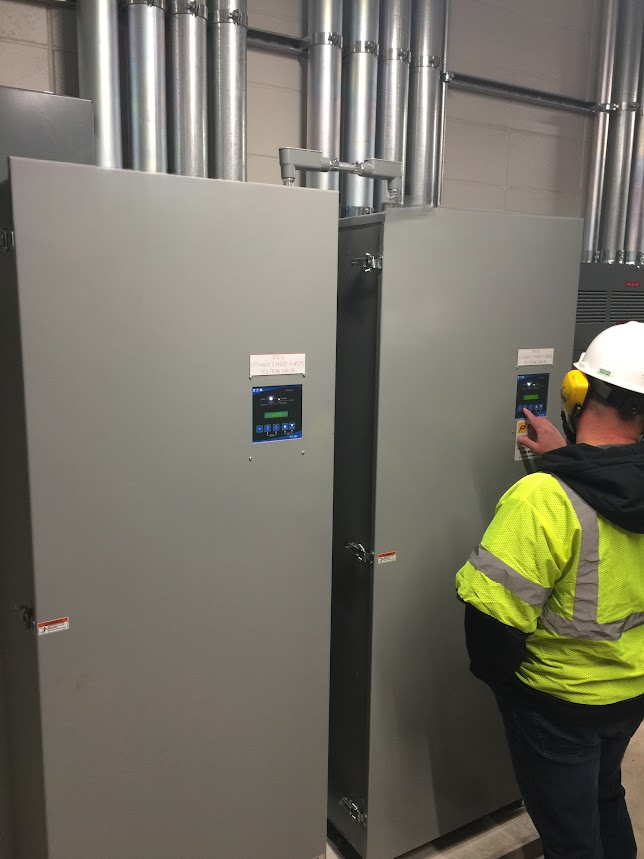
5. The Automatic Transfer Switch Has Not Been Tested Recently
The generator is only one part of the emergency power system. The automatic transfer switch, or ATS, is responsible for moving electrical loads from utility power to generator power and then back again when utility service returns. A generator can start perfectly while the facility remains dark if the ATS does not transfer correctly.
Warning signs include:
- Delayed transfer
- Failed exercise events
- Control alarms
- Mechanical hesitation
- Excessive heat
- Visible contact wear
- Lack of recent transfer testing
ATS inspection and testing should be part of a complete backup power maintenance program.
6. Cooling System Problems Are Developing
Commercial generators produce significant heat under load. A cooling system problem may not appear during a short exercise cycle but can become critical during extended operation.
Warning signs include:
- Low coolant
- Coolant leaks
- Damaged hoses
- Worn belts
- Restricted radiator fins
- Blocked airflow
- High-temperature alarms
- Excessive generator room temperature
Greenville’s hot, humid summers can place additional stress on generator cooling and ventilation systems, particularly when equipment is operating under sustained load. Facilities should make sure radiator airflow, louvers, room ventilation, coolant condition, and other cooling components are ready before peak summer conditions arrive. A generator that overheats may shut down automatically to protect itself, leaving the facility without backup power.
7. The Facility Has Changed Since the Generator Was Sized
Backup power needs are not static. Facilities add equipment, expand operations, change production processes, increase HVAC demand, install new technology, and modify electrical systems. If the generator was sized years ago, it may no longer match the facility’s current load.
That is particularly relevant in the Greenville-Spartanburg area, where manufacturing and industrial facilities frequently add production equipment, automation, warehouse capacity, and supporting infrastructure as operations grow. Backup power capacity should be reviewed alongside those changes.
Potential warning signs include:
- Recent expansion
- New production equipment
- Added refrigeration
- Increased data infrastructure
- Additional pumps or motors
- New EV charging
- Larger HVAC systems
- Frequent high-load operation
An outdated load study can create a serious reliability gap. The generator may start correctly but become overloaded once current facility demand is transferred.
8. Maintenance Recommendations Keep Getting Deferred
Small deficiencies often become larger failures when they are repeatedly postponed. A minor coolant leak, weak battery, worn belt, faulty charger, deteriorating hose, or unresolved control issue may not stop the generator today.
But those conditions can become critical under extended load. A growing list of open maintenance items is a warning sign that the system’s risk profile is increasing. Facility teams should prioritize recommendations based on operational impact rather than waiting for a complete failure.
9. Electrical Connections or Breakers Show Signs of Trouble
Power has to move through the entire electrical path. Loose connections, worn breakers, damaged switchgear, and heat-related deterioration can interrupt that path even when the generator itself is healthy.
Warning signs may include:
- Hot spots
- Discoloration
- Loose connections
- Breaker trips
- Visible corrosion
- Abnormal voltage readings
Electrical problems can develop gradually through vibration, thermal cycling, age, and environmental exposure. Routine inspections and appropriate electrical testing can help identify those conditions before they affect system performance.
10. No One Can Clearly Explain the Backup Power Plan
One of the biggest warning signs is not mechanical at all. If facility leadership cannot clearly answer how the backup power system is supposed to operate, there may be planning gaps that equipment maintenance alone will not solve.
Facility teams should know:
- Which loads are backed up
- How long the system is expected to run
- How much fuel is available
- Who receives alarms
- Who responds to generator problems
- When maintenance is due
- How transfer occurs
- What happens if the generator fails
- Whether temporary power is available
- Which systems receive priority
For Greenville-area facilities, that plan should also account for regional conditions such as severe thunderstorms, high summer demand, and other events that can affect utility service across multiple locations at once. Knowing who responds, how fuel is replenished, and what loads receive priority can become especially important during a widespread outage.
A reliable system depends on both equipment and people. When operating procedures are unclear, even a technically sound system can fall short.
What Facility Leaders Should Do Next
If one or more warning signs are present, the next step should be a structured system review. Start by reviewing recent service records, open recommendations, alarm history, fuel condition, battery test results, transfer switch testing, and generator loading. Then confirm that the system still matches current facility requirements.
A useful review should answer:
- Is the generator properly sized?
- Are batteries and chargers healthy?
- Is fuel clean and sufficient?
- Has the ATS been tested?
- Are cooling systems functioning properly?
- Are open deficiencies documented?
- Has the generator been tested under realistic load?
- Are alarms monitored?
- Does the facility have a clear response plan?
The goal is not to find problems for the sake of finding them. It is to reduce uncertainty before an outage exposes the weakness.
How PowerChampions Greenville Can Help
PowerChampions Greenville helps commercial and industrial facilities throughout Greenville and the Upstate evaluate complete backup power systems, not just individual pieces of equipment. From manufacturing and distribution facilities to other critical commercial operations, our team helps identify developing risks before they become outage-related failures.
By identifying developing risks early, facility leaders can prioritize repairs, plan capital improvements, and improve confidence in the systems their operations depend on. If your backup power system is showing warning signs, a proactive review can help determine what deserves attention now and what can be planned for later.
Learn more about PowerChampions Greenville’s critical power services: https://www.greenville.power-champions.com/generator-repair-maintenance
Frequently Asked Questions
What are the most common warning signs of generator failure?
Common signs include weak batteries, recurring alarms, fuel problems, coolant leaks, transfer switch issues, breaker trips, unusual noise, and failed exercise cycles.
How do I know if my commercial generator is overloaded?
Potential signs include unstable voltage, frequency problems, overheating, breaker trips, alarms, and difficulty supporting large motors or facility loads.
How often should a commercial backup power system be inspected?
Inspection frequency depends on equipment type, manufacturer requirements, facility risk, regulatory obligations, and operating conditions. Critical facilities may require more frequent testing and maintenance.
Why does fuel quality matter for standby generators?
Contaminated diesel fuel can clog filters, damage injectors, restrict fuel flow, and cause poor engine performance or shutdown.
Does weekly generator exercise prove the system is reliable?
No. Exercise confirms limited operation but may not test full load performance, transfer equipment, fuel delivery, cooling, or extended runtime.